
NEN 2767 condition assessments, now with AI and your smartphone
Expert condition assessment work that used to require a surveyor on site for every element can now start with a photo. KLIQ computer vision detects the building element, identifies the defect and proposes a condition score from 1 to 6 following the NEN 2767 defect logic.
- Photo in, verified condition data out
- Condition scores 1 to 6 with defect evidence attached
- Exports straight into your MJOP or asset system
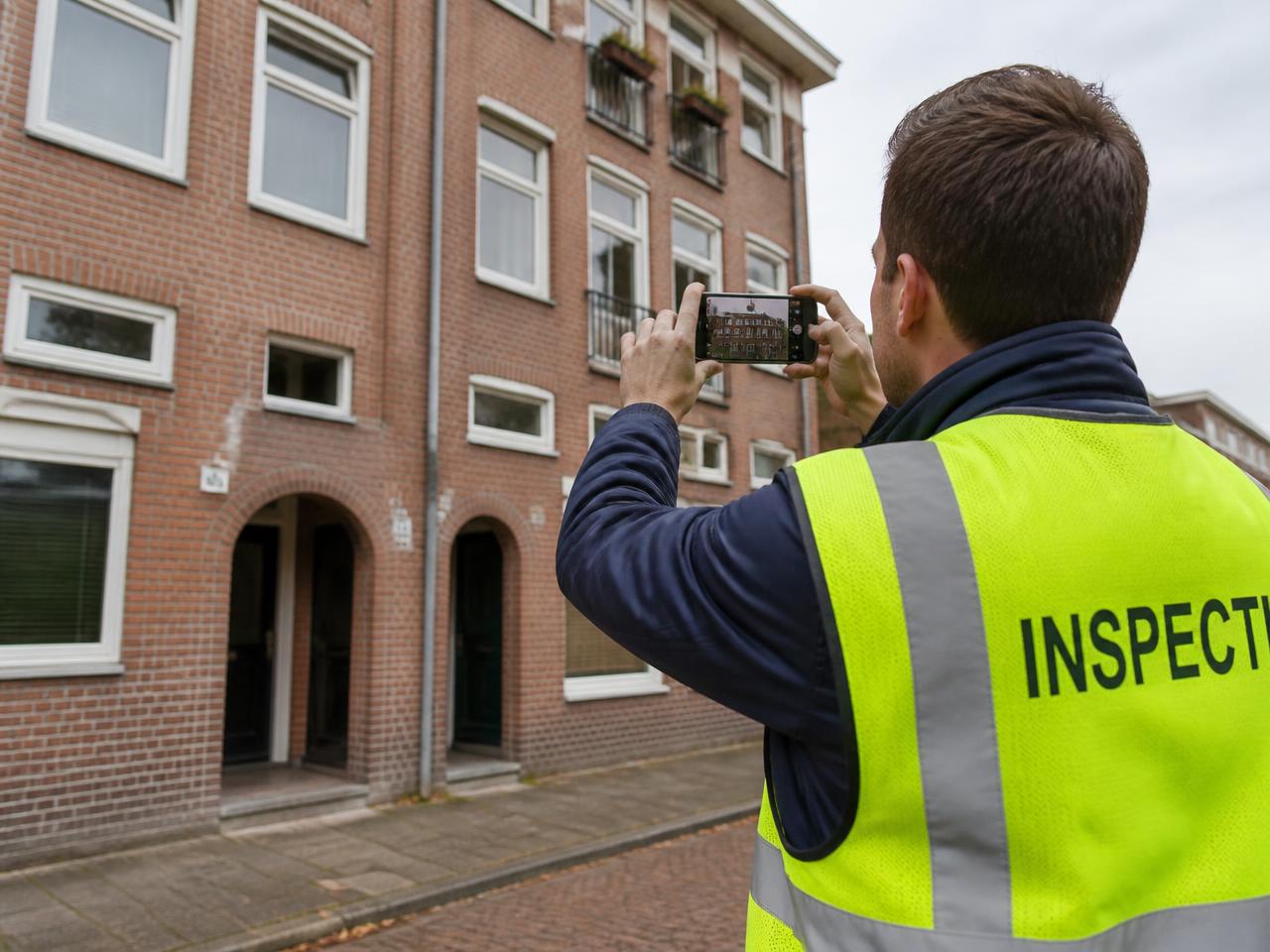
Field capture
One walk around the building. Every element photographed, timestamped and geo-referenced.
What is NEN 2767?
NEN 2767 is the Dutch standard for condition assessment of buildings and installations. Instead of subjective opinions, it scores each building element on a scale from 1 to 6 based on the defect type and its extent, intensity and seriousness. Housing corporations, municipalities, schools, healthcare estates and property managers use it to plan maintenance budgets objectively and to compare assets across a portfolio.
The bottleneck has always been the assessment itself: a qualified inspector has to walk every building and record every element by hand. That is expensive, slow and hard to keep consistent across a large portfolio.
No degradation detected
Early, incidental defects
Degradation clearly present
Degradation frequent and progressing
Degradation intense and widespread
Functional failure, end of life
How AI performs a NEN 2767 assessment
KLIQ turns a smartphone into an inspection instrument. The surveyor stays in control and signs off, but starts from AI generated evidence instead of a blank form.
01
Photo
smartphone capture
02
Detection
element + defect
03
Parameters
extent / intensity
04
Score 1-6
NEN 2767 output
05
Export
MJOP / API
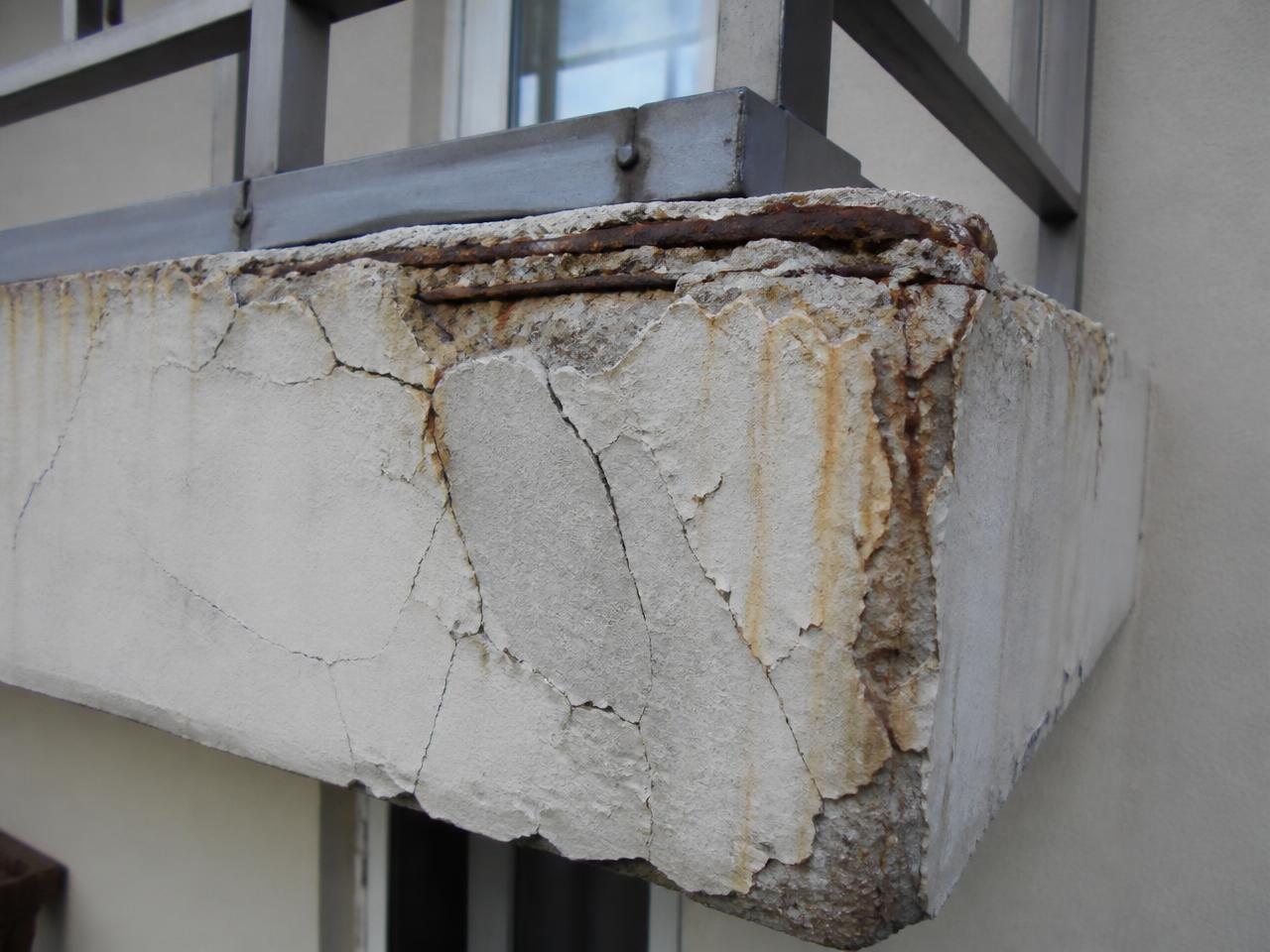 betonschade 0.91
From pixels to defect parameters
The model localises the defect, classifies it, and estimates the three NEN 2767 defect parameters. The evidence stays attached to the score, so the surveyor validates a proposal rather than writing one from scratch.
- Extent
- > 30% of element
- Intensity
- Advanced
- Seriousness
- Serious
Proposed condition score: 4 (Matig)
Capture on site
An inspector, caretaker or contractor walks the building and photographs elements with a normal smartphone. GPS, timestamp and device fingerprint are captured with every photo.
AI reads the condition
Computer vision detects the building element, recognises the defect type, and estimates the extent, intensity and seriousness in line with the NEN 2767 defect logic.
Condition score assigned
Each element is scored 1 to 6 with the underlying defect evidence attached, so a surveyor can validate rather than start from a blank sheet.
Report and export
Get an inspection report plus structured data you can push into your MJOP, asset register, Salesforce, Microsoft Dynamics or maintenance platform via API.
Why teams switch to AI assisted NEN 2767
One model, applied the same way to every element in the portfolio. Surveyors keep the final word, but spend their hours on the elements that actually need judgement.
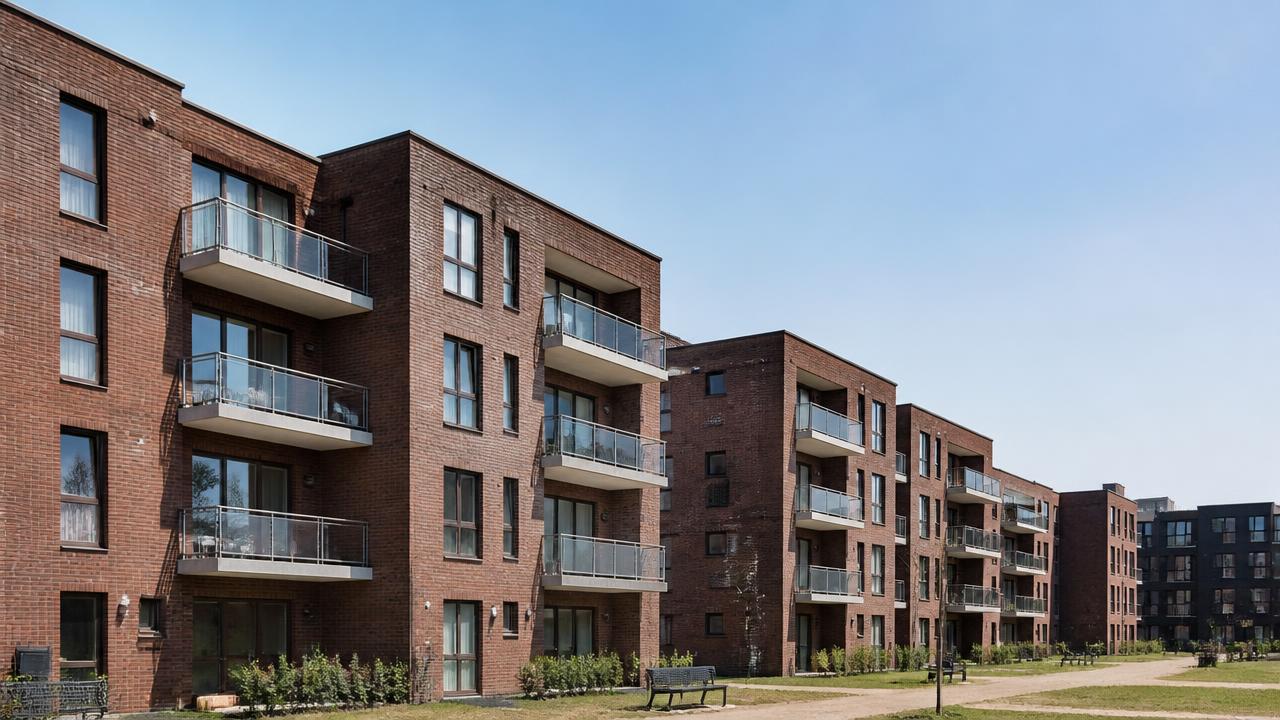
Lower inspection cost
Photo capture can be done by staff already on site. Expert time shifts from walking buildings to reviewing flagged elements.
Faster cycles
Condition data comes back in minutes per element instead of weeks of report writing, so portfolios can be re-assessed more often.
Consistent scoring
The same model applies the same defect logic to every element, removing inspector-to-inspector variation across a portfolio.
Portfolio wide coverage
Housing corporations, municipalities, schools and healthcare estates can cover far more assets with the same team.
NEN 2767 and AI: frequently asked
What is NEN 2767?
NEN 2767 is the Dutch standard for condition assessment of buildings and installations. It scores building elements from 1 (excellent) to 6 (very poor) based on the defect type, its extent, intensity and seriousness, so owners can plan maintenance objectively.
Can AI really perform a NEN 2767 condition assessment?
Computer vision can detect building elements and visible defects from photos and translate them into NEN 2767 defect parameters and condition scores. A qualified surveyor stays in control: they validate and sign off the assessment, working from AI evidence instead of raw notes.
Do I need special hardware or a 3D scanner?
No. A standard smartphone camera is enough. Location, time and device data are captured with each photo to keep the evidence trail verifiable.
How does this fit our MJOP?
Condition scores and defect data are exported as structured records, so they can feed directly into your multi-year maintenance plan (MJOP), asset register or ERP through our API.
Is the data kept in Europe?
Yes. KLIQ is built and hosted in Europe and processes inspection data under EU data protection rules.
See a NEN 2767 assessment made from photos
Send us a few details and we will walk you through a real AI condition assessment on your own building type, including the defect detection, the condition score and the export into your maintenance plan.
Prefer to talk first? Email hello@kliq.photo or book a demo slot.
Estimate the impact on your portfolio
Enter your building count and current inspection effort to see an indicative time and cost picture.
Estimate your savings in 60 seconds
Hours saved, integration effort and training needs, based on your own volumes. No email needed to see the result.
Open the estimatorTalk to our team
Where computer vision stands today, the human verification layer, integration patterns and a worked API walkthrough.
Contact usPrefer a conversation? Book 20 minutes.